



When This World Becomes Just Too Much
July 3, 2015 by Leave a Comment
ISIS
Ferguson
Tunisia
Greece
Our world is broken. It is fallen.
Cancer
Infertility
Loneliness
Joblessness
Our lives are broken. They can be dark.
That there can be ugliness in this life is not questioned by anyone. No one would argue with the idea that we all go through times of darkness, times of weeping, times of where in the world, where in all of this hurting world are You, God?
If the question then is not will I suffer, then the question must be what will I choose when I suffer.
When I hurt, will I believe that God works for the best in everything or will I wonder whether God is working at all? When I ache, will I believe that God is most present when I am at the end of myself or will I wonder whether God is really in anything at all? When I don’t know how long I can hold on, will I believe in God when I cannot see Him through the dark or will I wonder if the darkness is all that there is?
What do we do when we are sinking, when we are drowning, when we are at the end of ourselves and are pleading for relief?
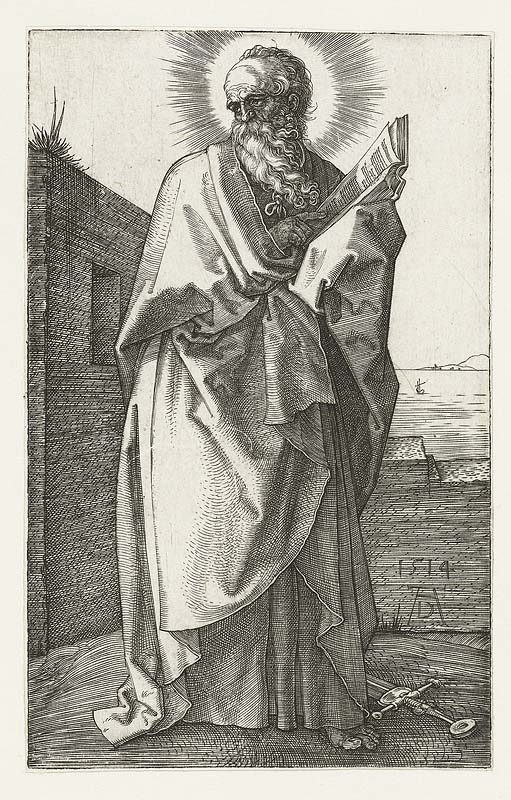
Paul pleaded with God to remove his thorn. He begged God three times for release. The first two times? Heaven was silent. The third time? God said no.
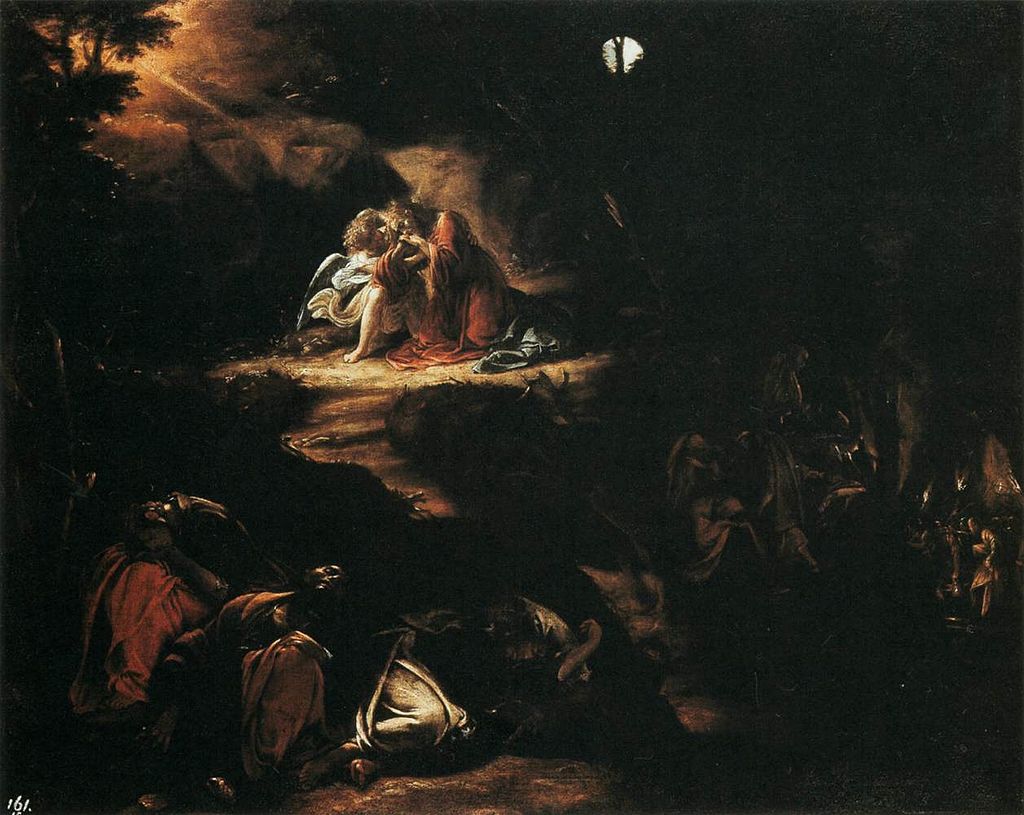
Jesus asked if there was any other way but the Cross. God’s answer? No.
Why do we think it should be different for us? Why do we think that we should be exempt?
If God is most present and works most powerfully when we are at the end of our own limits, then shouldn’t we want to lean into our suffering rather than try to escape it?
Paul chose to boast of his weakness, to be content with his hardship. He chose to immerse himself in his thorn in order to gain more of Christ.
We don’t have a choice about whether we will hurt.
Our choice is in how we will respond.
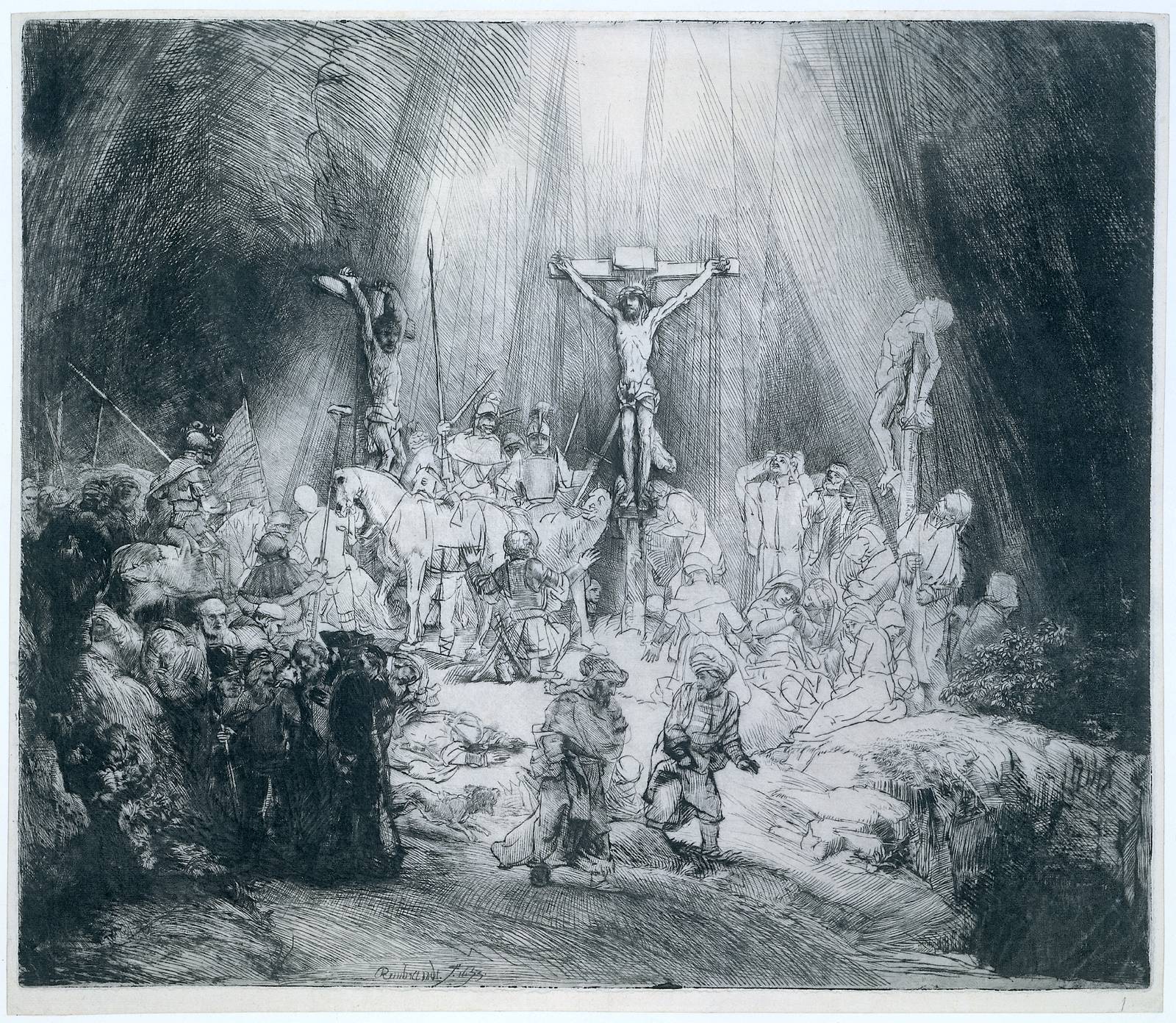
Will we spend our time begging for respite? Will we beg God to take it away and then curse Him when He does not?
Or will we receive our suffering as a gift? A gift with a purpose, even though we may never know the purpose. A gift with a promise, a promise of grace and God’s presence.
When God says no, when God says My grace is sufficient for you, instead of arguing with Him about it, instead of fighting Him with all of your strength, ask Him to help you get to the place where you can receive your adversity as a gift from a loving Father.
A gift that brings you more of His grace. A gift that brings you more of Him.
I have learned to kiss the waves that dash me against the Rock of Ages. ~ Charles Spurgeon
Art credits: The Apostle Paul sketch from 1514 A.D.; Christ in the Garden of Gethsemane by Orazio Borgianni; The Three Crosses by Rembrandt
The First Few Months
April 10, 2015 by 2 Comments
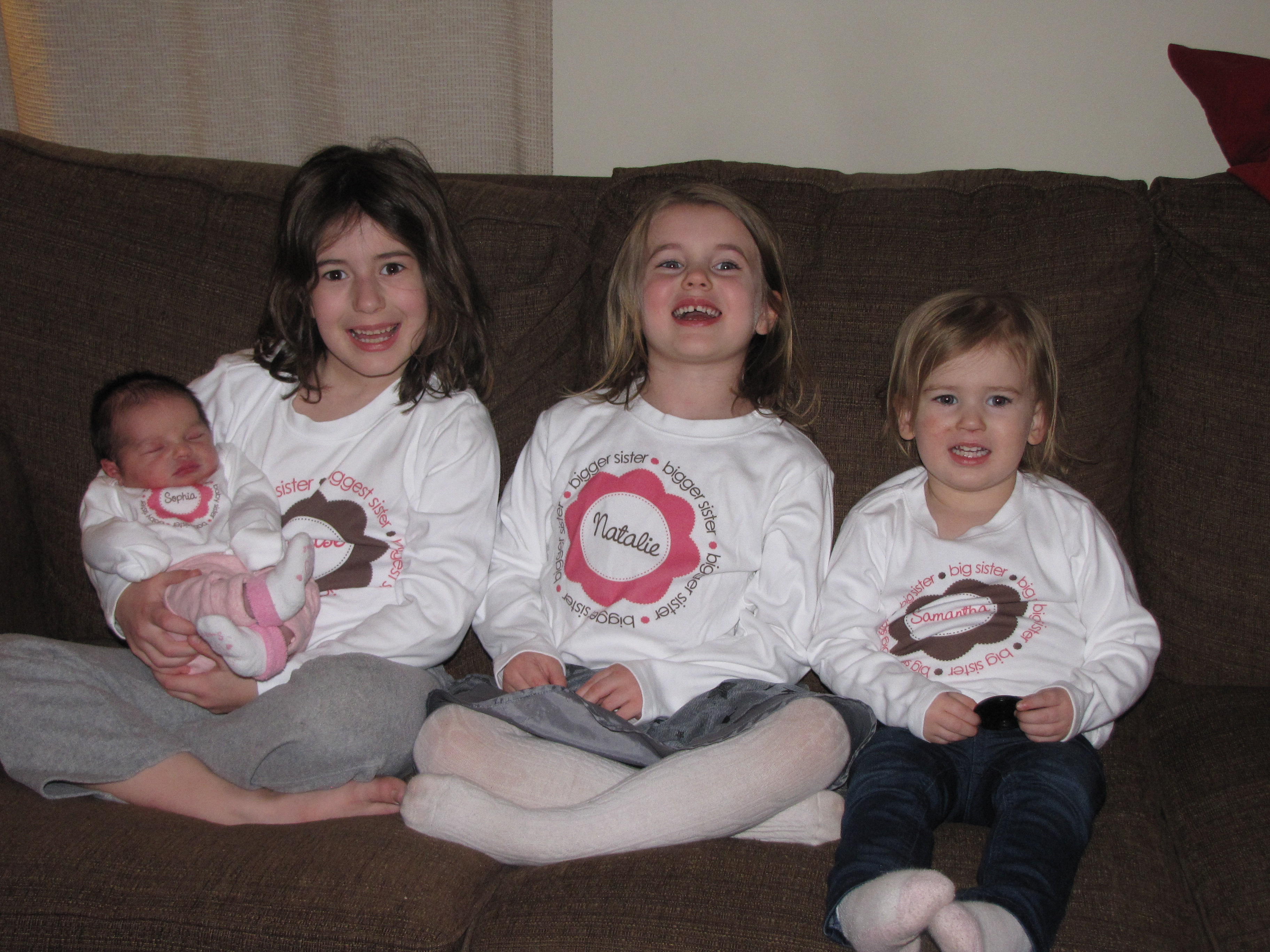
These first few months are really hard.


Sleepless nights, hours of crying, lives revolving around nursing and napping, siblings who are desperate for attention…even the bad kind.
These first few months are really beautiful.
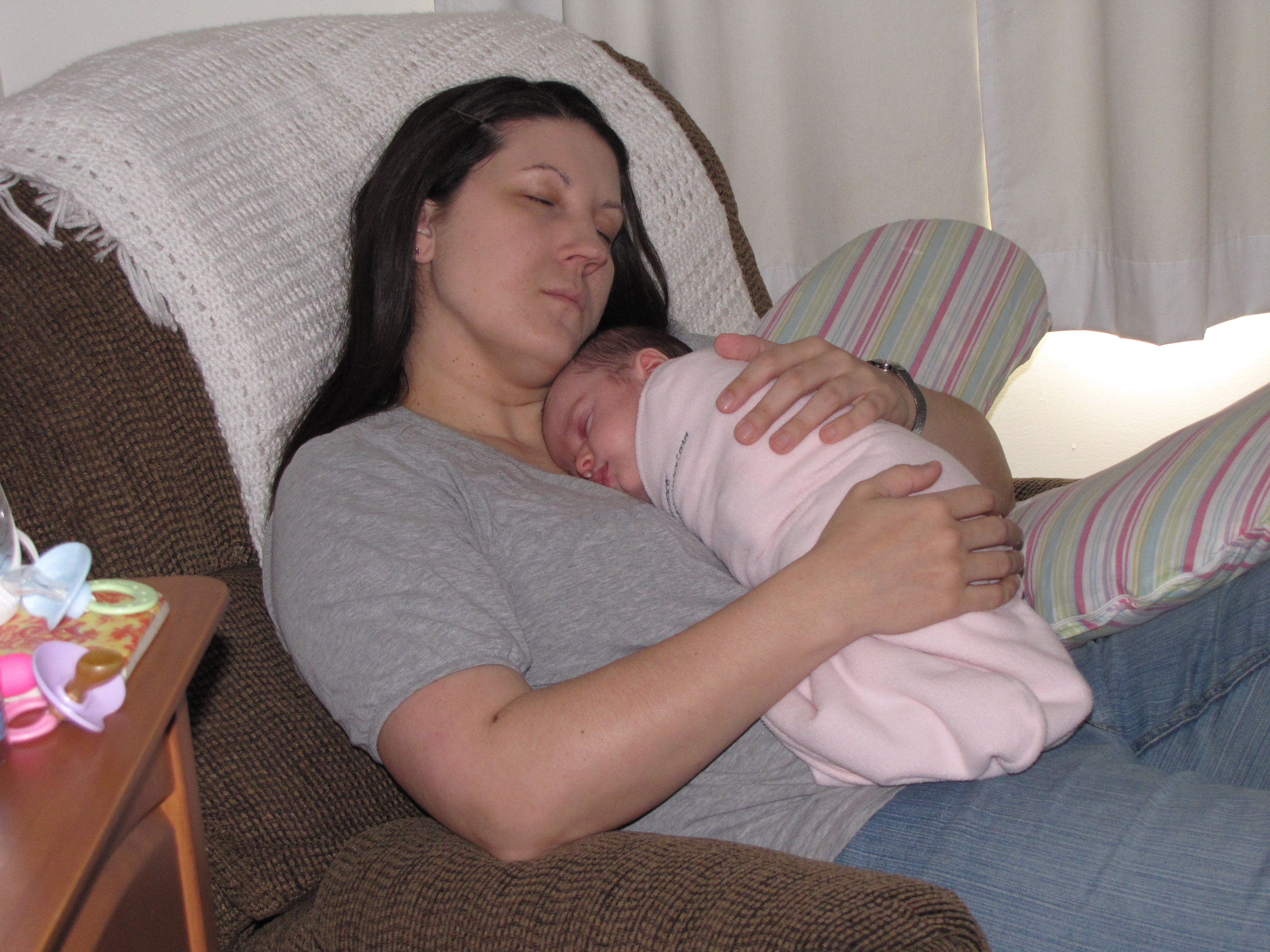
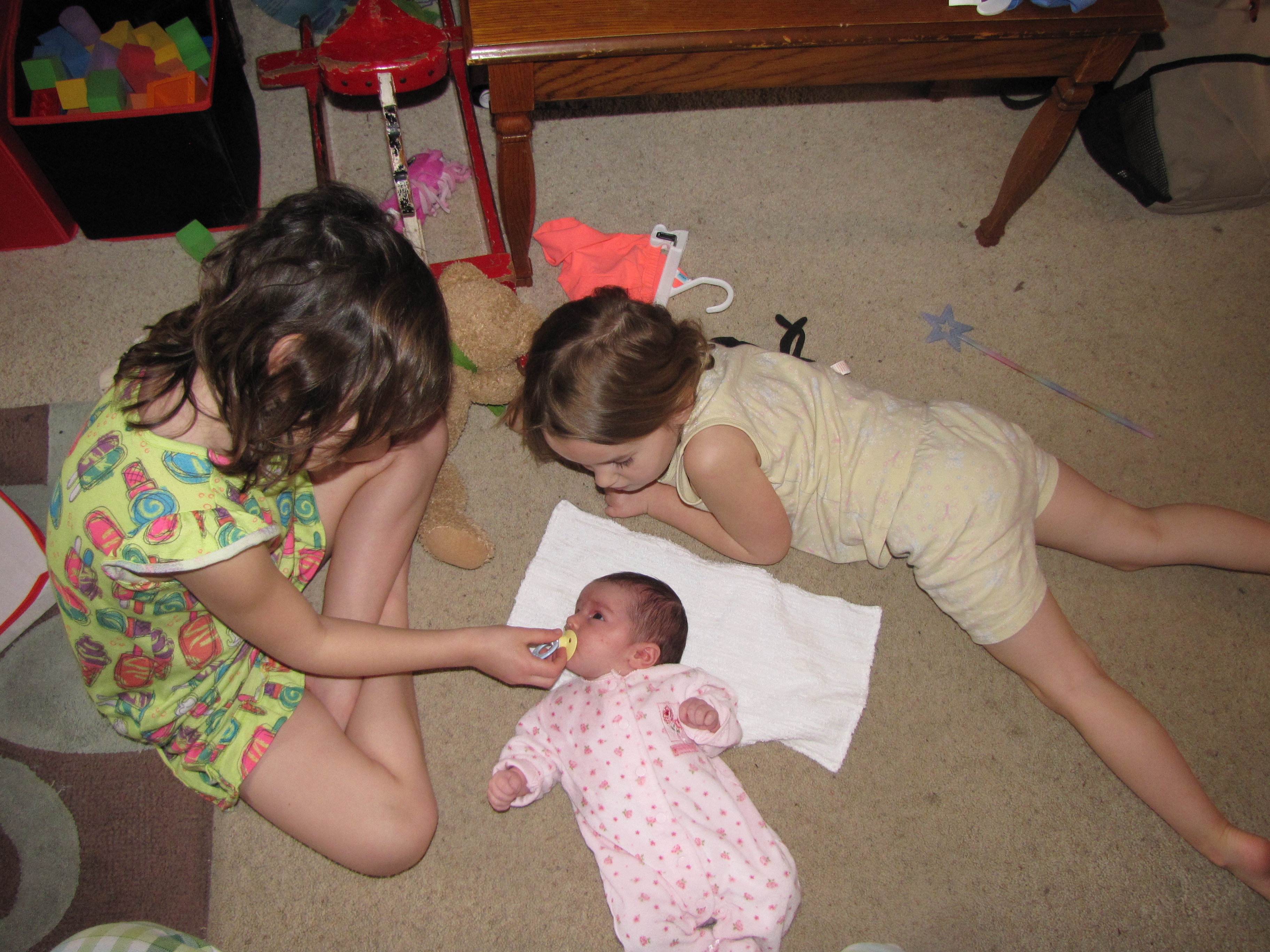
Baby weight snuggled on your chest, satin soft skin wrapped in blankets, warm breath from tented mouth on your cheek, siblings huddled around in adoration.
There is much that is difficult and frustrating, bringing tears and even depression.
And.
There is an obvious beauty, a very clear purpose and reason to the difficulty.
It makes me wonder whether this is the way God sees what we call ugly. Whether He can see the obvious beauty, the very clear purpose to the very hard things in life.
Perhaps we struggle only because we feel the sleepless nights and cannot yet see the first toothless smile.
Perhaps we would find more joy in our ugly places if we would trust that God has beauty planned ahead.
Perhaps we would find more peace if we would trust that God can turn even the hardest bits of life into a reason that is adored.

Even if that reason is not discovered this side of death.
Think of those first few months…

and hope.
This is Easter
April 3, 2015 by Leave a Comment
Easter.

Spring.

New life.
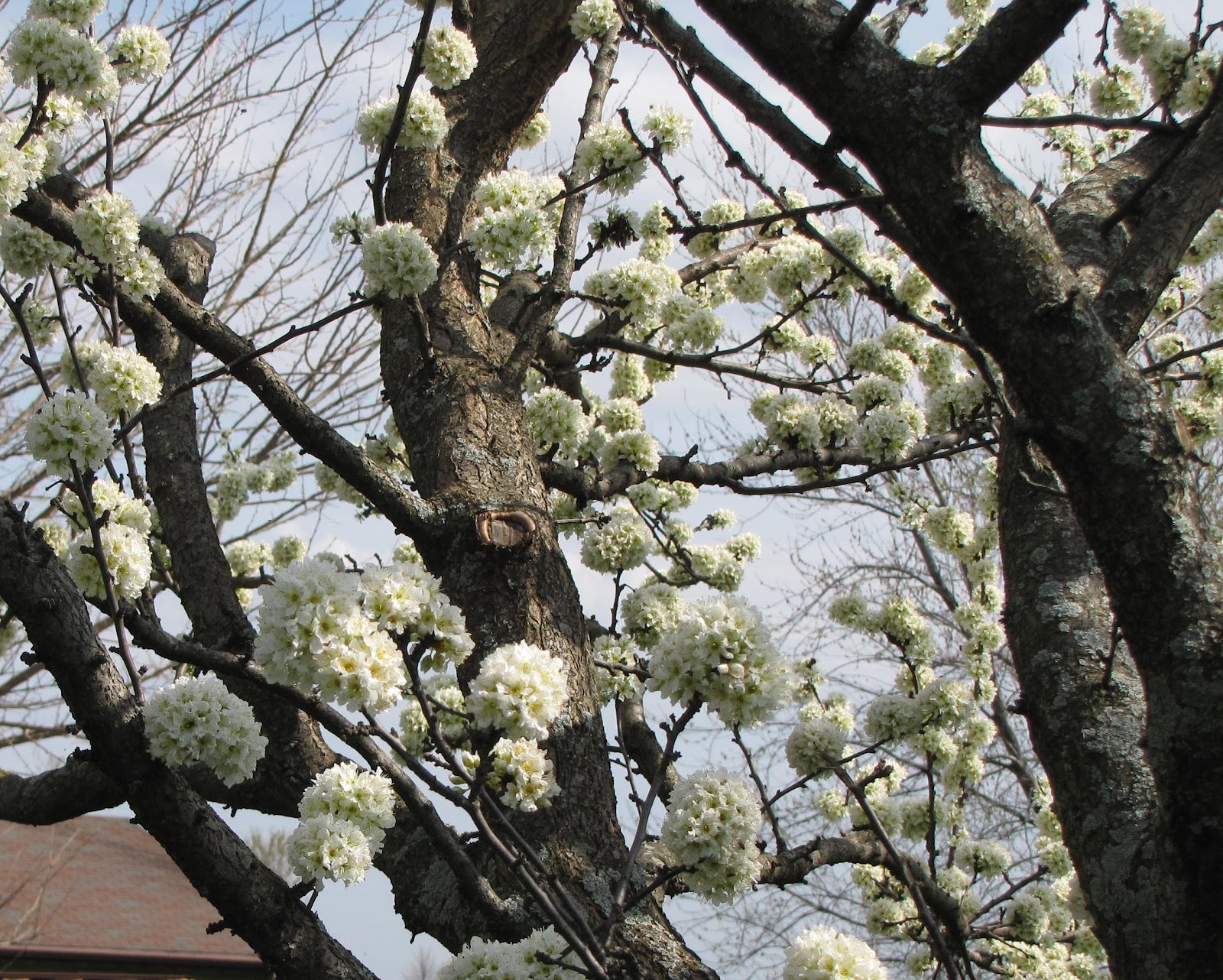
It is an inevitable part of life that monochromatic winter begins to melt into spaces of bright color. Snow gives way to tulips and crocuses. Perhaps it is our necessary reminder that death is followed by new life. Our reminder of Easter.
It was our first Easter without Kristina.
On Easter morning, my eldest ran into the living room where we had left the figure of Jesus on the cross the night before, eyes wide with hope of resurrection. “Daddy, look! Jesus left us flowers that God made!”

Hope and joy at the end of sorrow and pain. This is Easter.
On Easter morning, gathered with our Family, we sang, “The greatest day in history, Death is beaten, You have rescued me. Sing it out, Jesus is alive! Endless joy, perfect peace, Earthly pain finally will cease. Celebrate Jesus is alive! Oh, happy day, happy day…”
During a celebration after tragedy, hearts swell and overflow with emotions that at first glance seem to be at odds. We feel both joy and gratitude, sorrow and longing.

On Easter morning, the joy is easy. Jesus is alive!
Sorrow and longing, though, those are things that are more difficult. Yet they are real and, although hard, they are what should be.
We all suffer. We all love and therefore all suffer because in our broken world, love means suffering. Those who do not love much do not suffer much. I would not grieve so deeply had I not loved Kristina so much. God loves our world and therefore God Himself suffers.
Such sorrow was felt over our first Easter without Kristina.

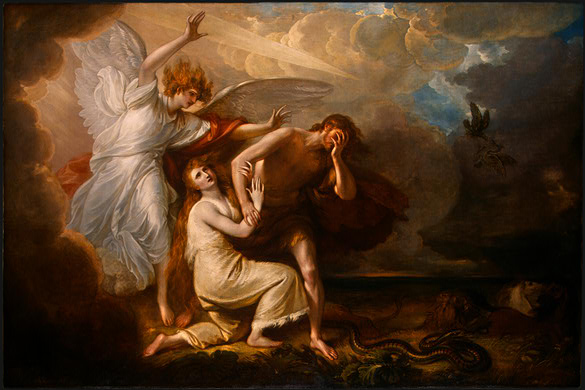
We acknowledge that all of this, this pain and death and sadness, is not how it was supposed to be. None of this existed before we rebelled against God.
And so we sorrow.
Our longing is for that day of redemption and transformation. The day when earthly pain will cease and death will be banished for all time. We desperately wish to be gathered into Jesus’ arms and told that all is now well.

And so we long.
Sorrow and longing.
At second look, we are reassured that these are what we should feel. After all,
Our kind, heavenly Father has provided many wonderful inns for us along our journey, but He takes special care to see that we never mistake any of them for home. ~ C.S. Lewis
At the end of it all, however, our hearts must return again to gratitude.
On that Easter morning, as we worshiped together, we sang, “You make beautiful things, You make beautiful things out of the dust. You make beautiful things, You make beautiful things out of us.”
Just as we did in the middle of our ugly places, our hearts cry out “Why?” Yet this time, it is a vastly different sort of why.
This time we ask, why do You love me that much?
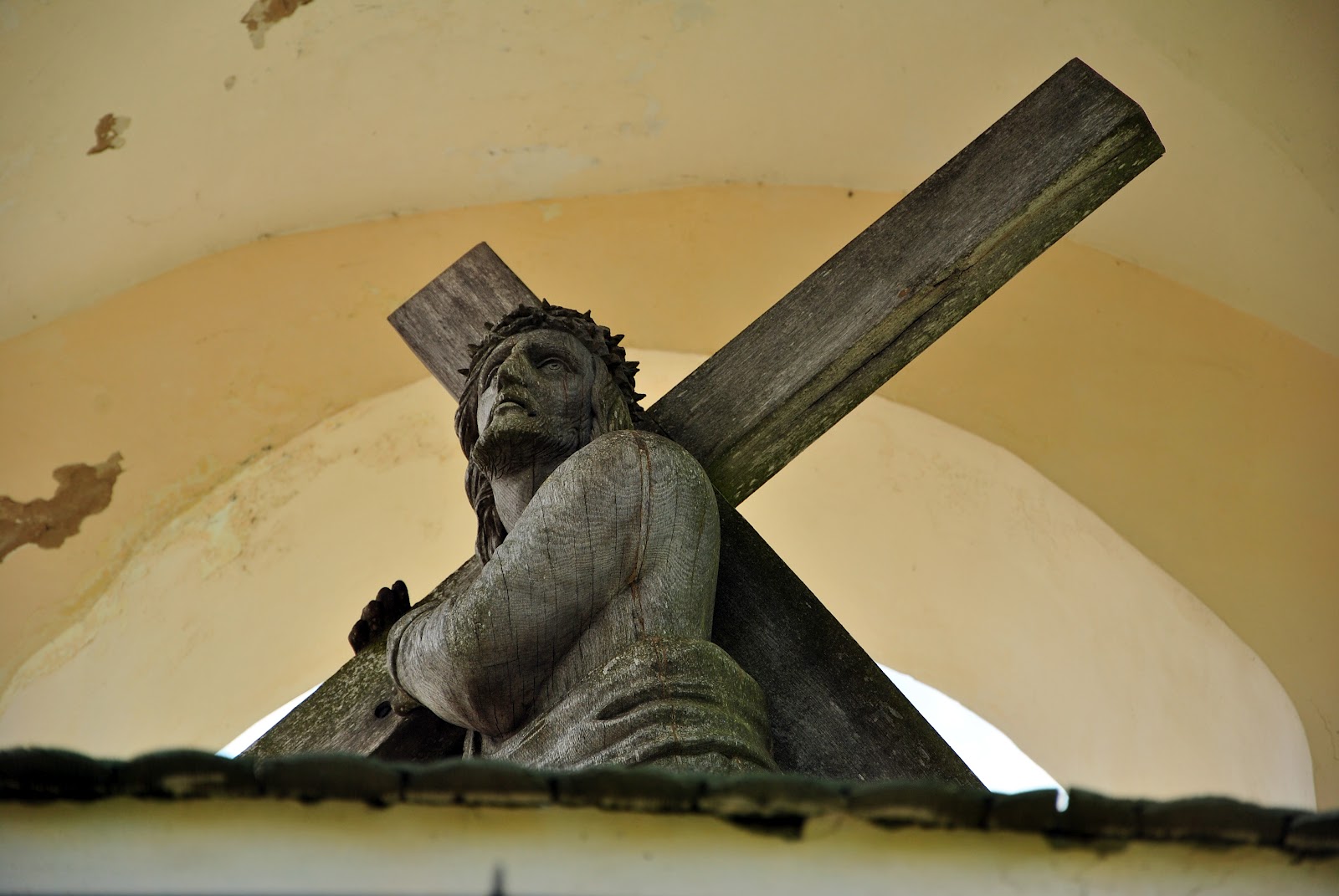
You went to the cross to allow us to become children of God. Wasn’t that more than enough? Why would You now also work so very hard to make beautiful things out of the dust that we are? Why would You pour so much into molding us into people who look like You?
Let us fall on our knees in joy and with gratitude for such lavish love.

On Easter morning and beyond, let our hearts swell with both sorrow and longing, joy and gratitude, knowing that Jesus is truly alive, knowing that He has defeated death.
edited from the archives
art credit: The Expulsion of Adam and Eve from Paradise by Benjamin West; heaven picture; cross picture by Asta Rastauskiene
Why?
January 9, 2015 by 4 Comments
Why?
It is a cry that explodes from a pain-filled heart. It is a cry that whimpers from a lonely soul.
It is a cry that propels its way out of all who hurt in one way or another.
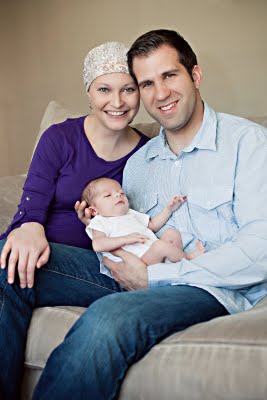
Why did my twenty-six year old sister-in-law have to die in such a horrible way?
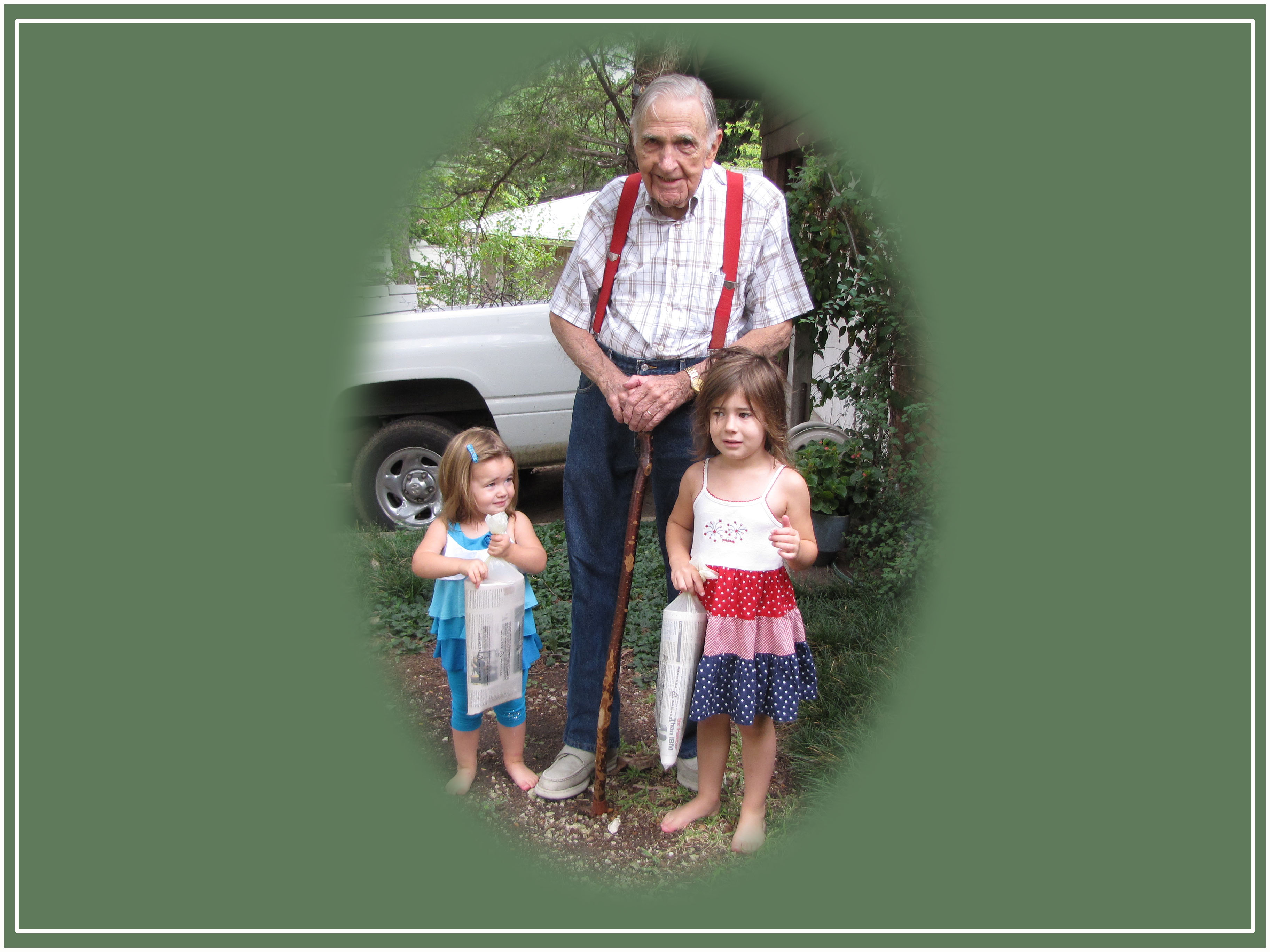
Why did my Papa labor in pain to leave this earth on the very same day that that I labored in pain to bear my daughter into it?
Why do my friends suffer illness and miscarriage and even death while we still are young?

Why?
And yet I have to wonder: what would we get if we got an answer to our questions of why?
Would we gain satisfaction? Would it really change anything if God sat down in front of us and explained everything to our face?
We would still have to face the empty chairs. We would still be faced with the memories of pain.
Job asked why. He didn’t just ask, he demanded the chance to ask God why. He shouted for the opportunity to plead his case before God.
And God came.
He came not with reasons but with glory.
God didn’t reveal His ultimate plan, He revealed Himself.
God didn’t show the reasons for what happened, He showed His face.
And Job?
Even covered with sores and ashes, he looks oddly like a man who has asked for a crust and been given the whole loaf. ~ Frederick Buechner
In answer to all of our questions, may God be gracious enough to give us Himself.
Terrible Love
October 24, 2014 by Leave a Comment
It is Thanksgiving time and there is light.
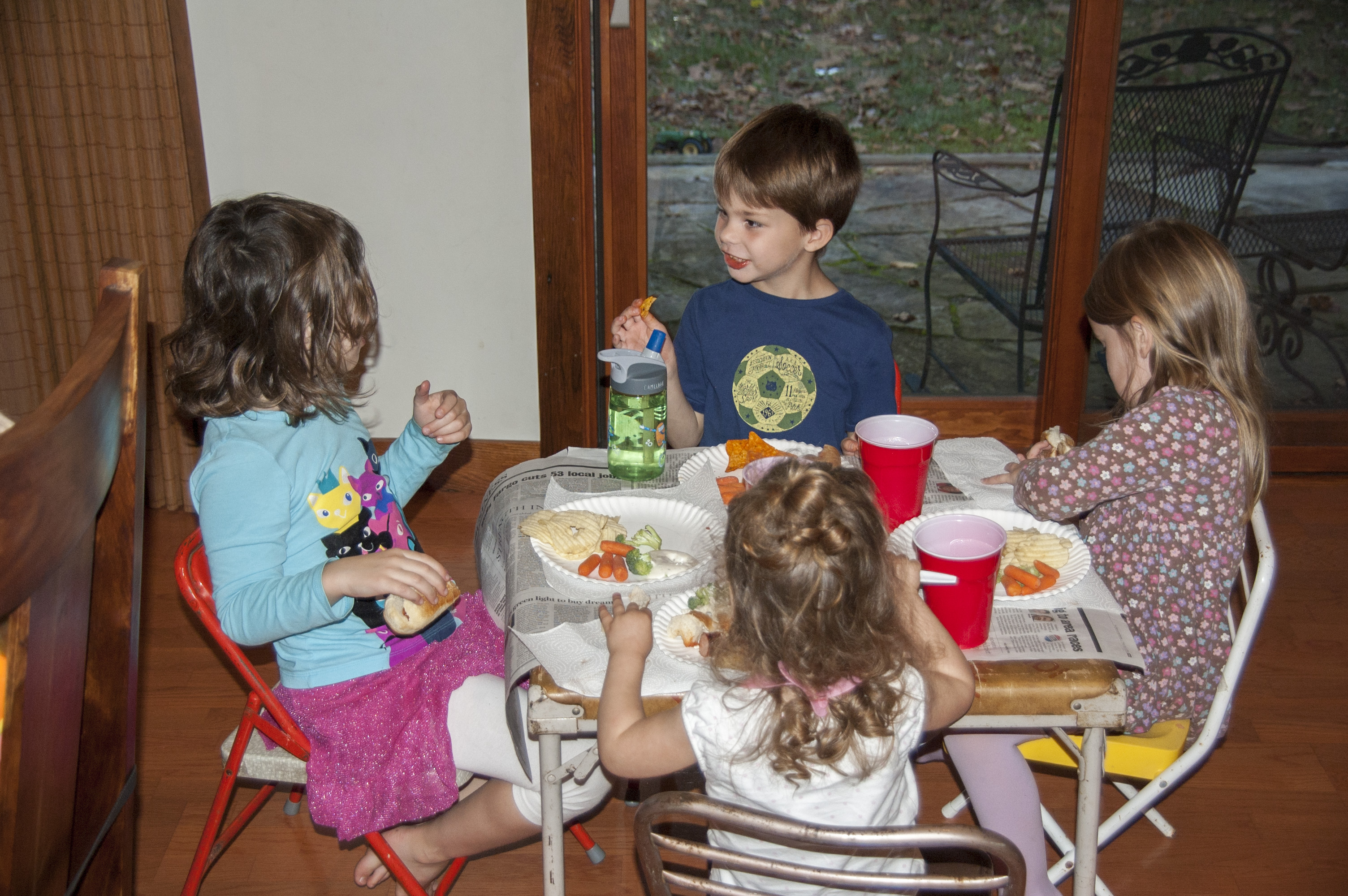
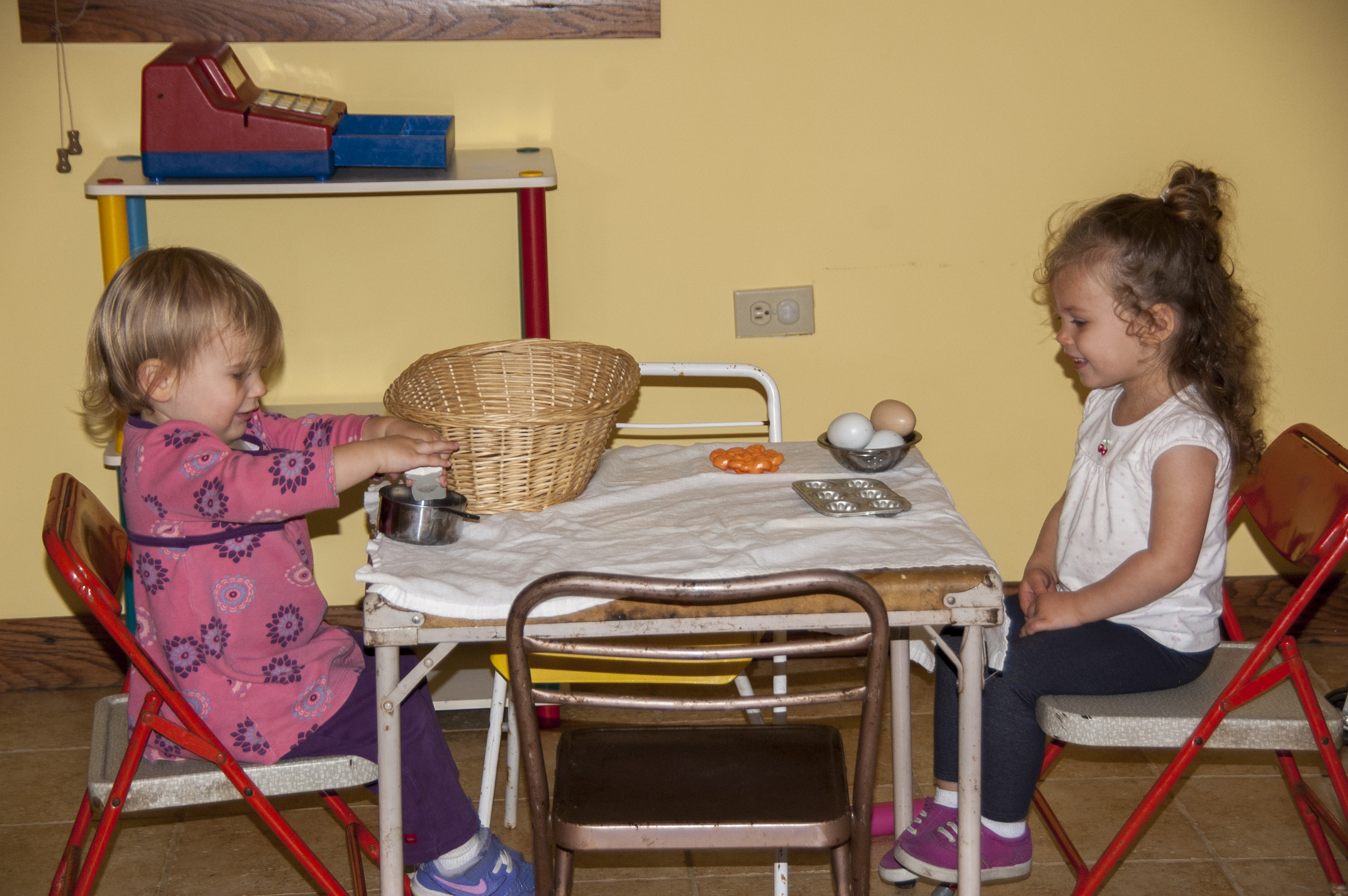
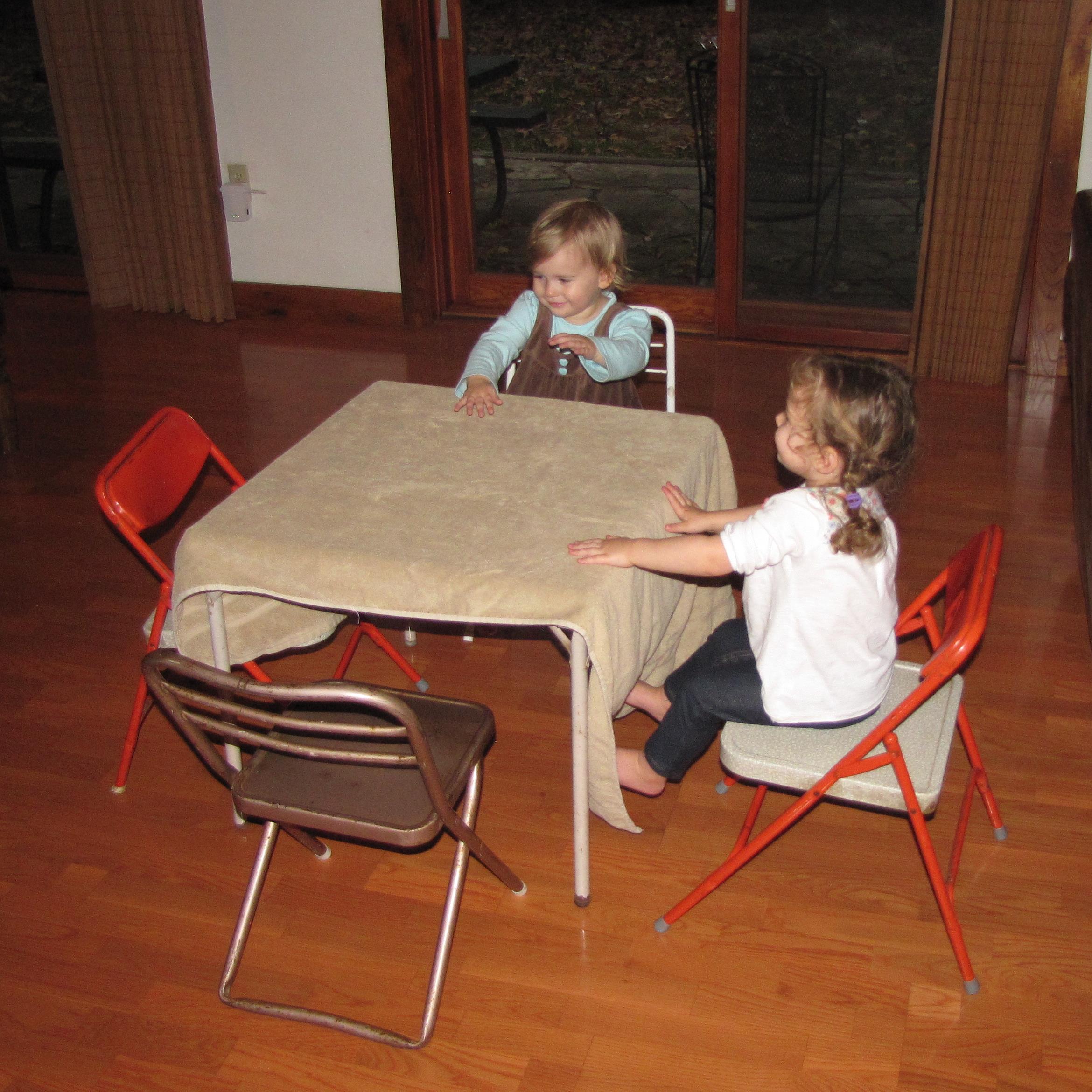
They sit around the table laden with food, this family bound together by blood. There is light and laughter, talk of sports and of God, there is caring and kindness between generations. There are eyes shining bright, shining with love and with joy in the company around them.
And there is darkness.
There is one who is recently bereft of the comfort of spouse, struggling to find what is normal. There is one who sits heavy with the weight of marriage that is harder than expected. There is one who wonders if anything they do will ever seem good enough.
There is one who struggles with getting older, one who struggles with trouble at work and money that slips through the fingers, one who wonders if there is anything good coming when they can’t see what lies further down the road.

There is darkness in all of us. It is a part of being human to feel the weightiness of the absence of God. And there is an absence of God in this world. The Bible we profess speaks of it. The prophets and psalms all speak of Him who is not there when He is most needed. The author of Hebrews strips all of our pretense away when he speaks of Noah, of Abraham, of Gideon and David and the rest who “all died without having received what was promised.” It is the anguish of glimpsing the briefest glow of the light of presence without being allowed to bask in the sun.

It is a terrible love, this love of God for us. It is a love that means His absence as often as it means His presence. It is a love that Jesus speaks of when He utters in His darkest moment the piercing cry of Where are you, God?
You who are in heaven for us, why are you not down here in hell with us?

It is a terrible love that speaks of carrying our own cross, that utters the truth that all ye labor and are heavy laden.
It is a terrible love that wounds, or allows the wounds, before the healing can come.
It is a terrible love that weeps at the death of a friend, of Lazarus. They are tears that speak of the absence of God. Of the part of God in the very body of Jesus who would not save the life of His own friend.
This is, after all, the Gospel. It is terrible before it is beautiful. It is darkness before it is light.
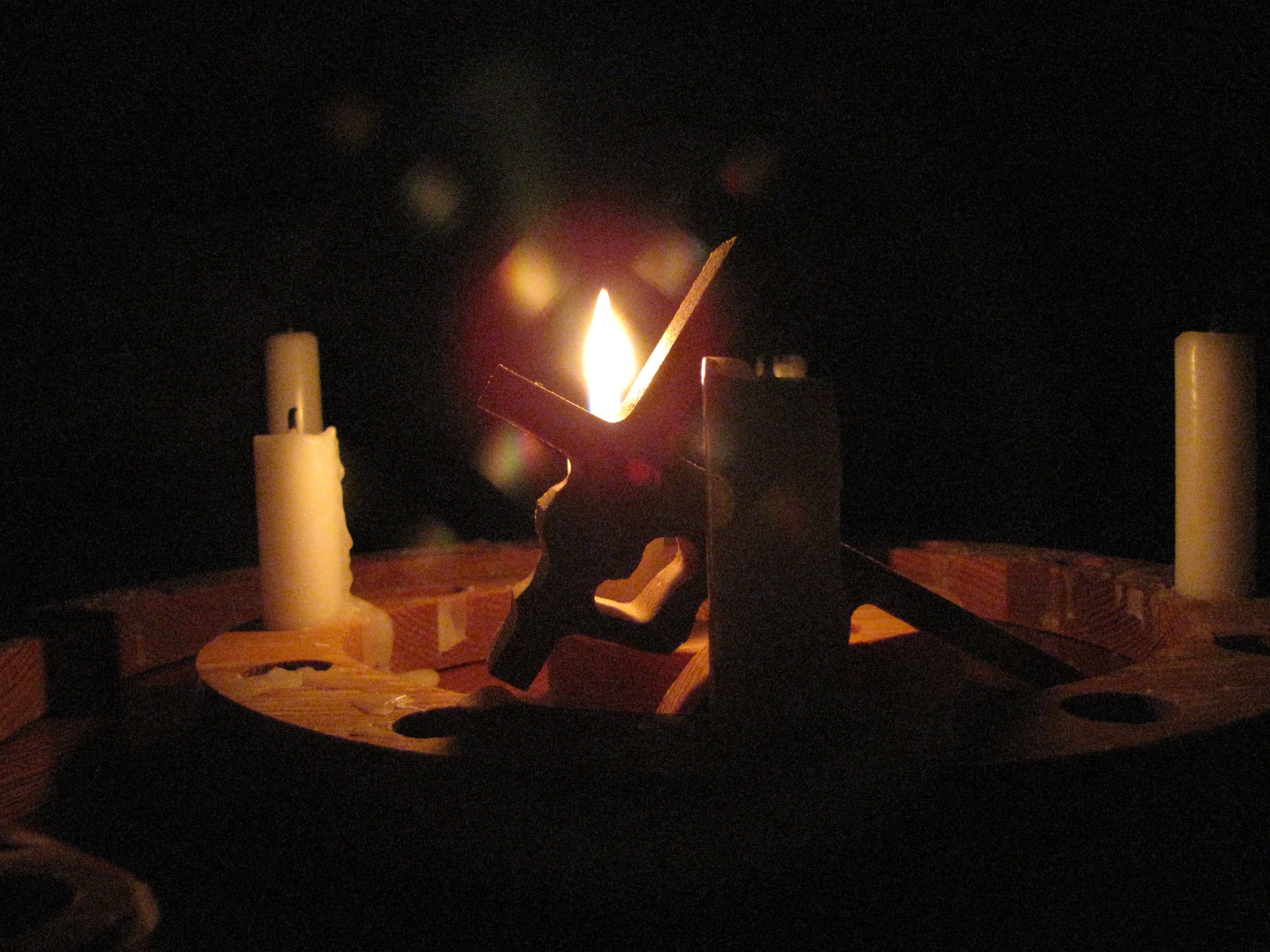
We all labor and are heavy laden. We work so very hard to pretend that it is not so, but even when we are appalled at the darkness, we cannot help but listen to Jesus because we see in Him not only the darkness of being without God but the glorious light of what it looks like to be with God.
It is out of the absence of God that He becomes most present. It is out of the whirlwind, out of the storm that God first speaks to Job, answering Him not with answers but with Himself. It is out of darkness that we first begin to perceive the light.
Paul says that “God chose what is foolish in the world to shame the wise. God chose what is weak in the world to shame the strong. God chose what is low and despised in the world, even things that are not, to bring to nothing things that are”, and he points to “the apparent emptiness of the world where God belongs and to how the emptiness starts to echo like an empty shell after a while until you can here in it the still, small voice of the sea, hear strength in weakness, victory in defeat, presence in absence.” ~ Frederick Buechner
The cross itself is a symbol of defeat before it is a symbol of victory and it, too, speaks of the absence of God.
When the absence is all that we see, when we are tempted to see in it a well of doubt that could lead us into atheism or at least into becoming agnostic, there is yet something else to see as well.
It was out of the darkness and absence that God first spoke. “In the beginning…the earth was without form and void, and darkness was upon the face of the deep.” And darkness is upon our faces as well, a void that sinks deep into our hearts. And perhaps it is necessary for the reality of this darkness to fold itself around us for us to be able to glimpse the reality of the word that God spoke into the darkness, “God said let there be light, and there was light.”

It is a terrible love that is offered to us, and perhaps we must face the truth of the terribleness before we are capable of accepting the love.
Art credits: Three Crosses sketch by Rembrandt; Supernova photo by NASA
When Praise is a Sacrifice
September 19, 2014 by Leave a Comment
Sacrifice is hard.
I suppose that is clear from the very definition of the word.
The idea of a sacrifice of praise seems a strange sort of concept. We tend to view praise as spontaneous, as rising from our rising and joyful emotions. How can such praise be a sacrifice?

- Easy to praise

That sort of praise is not such a sacrifice. But what about the praise that comes from a woman who has just lost her child? What about the praise from a man who does not know how he will feed his family? What about the praise from Christ-follower who lives every day in fear of torture or death because of Who he follows?
Through Him then let us continually offer up a sacrifice of praise to God, that is, the fruit of lips that acknowledge His name. (Heb. 13.5)
The praise of the one ravaged by cancer, the praise of the one dying inside from loneliness, the praise of the one who isn’t even sure that God is really there…these are a sacrifice. These are that sacrifice of praise.

- Steph – Suffered years of illnesses and still chose to try to praise God

- Kristina – died of cancer, leaving her husband and baby behind, yet still sought God while alive.
But how? How is it even possible to praise God while living through such circumstances?
Through Him
Through who?
Look back just one chapter.
…looking to Jesus…who for the joy set before him endured the cross, despising the shame, and is seated at the right hand of the throne of God. Consider him who endured from sinners such hostility against himself, so that you may not grow weary or fainthearted. (Heb. 12. 2-3)
How? By looking to Jesus. By looking to the One who was able to offer up His own sacrifice of praise while enduring the physical pain of the cross, while enduring the emotional shame of the cross, while enduring the heartbreaking separation from His own Father.
- Jesus – crucified, humiliated, abandoned, yet still offered praise to God
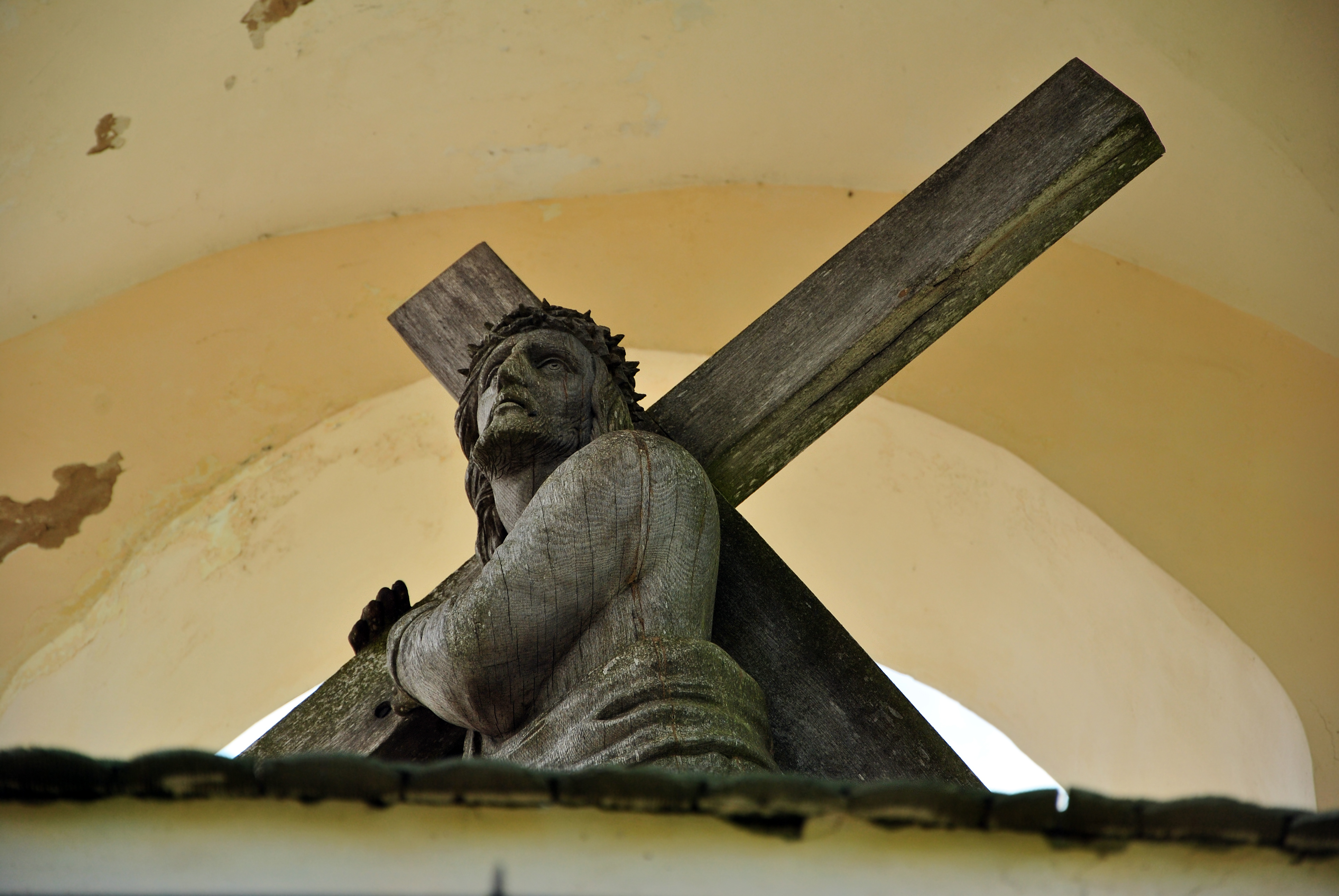
By keeping our eyes fixed on Jesus, and therefore off of ourselves, we are given courage and strength to do what we think is impossible. We are kept from growing weary and fainthearted.
By fixing our eyes on Jesus, the author and perfecter of our faith, we are able to continually offer up a sacrifice of praise. An offering of praise that endures all time and all circumstance. An offering of praise that is beautiful to God.
Art credits: Sunlight through tulips photograph by Kirk Sewell Photography; photograph of Jesus carrying the cross sculpture by Asta Rastauskiene
Hope Changes
June 13, 2014 by 2 Comments
Hope.

It changes nothing. It changes everything.
How do you endure? When everything around you is falling apart, when all that you love on this earth fails you, how do you keep going?
It happens to all of us. At some point in our lives, whether early in life or late, we sit in stunned silence while our world crumbles.
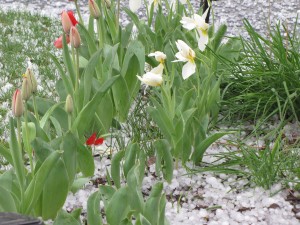
What do we do? What do we do when we or one we love is living in the middle of unimaginable pain? What is it that keeps us going, that lets us perservere?
Hope.
It changes nothing. It changes everything.
Hope doesn’t heal the sick or take away the pain. It doesn’t fill the stomach or bring your loved one back.
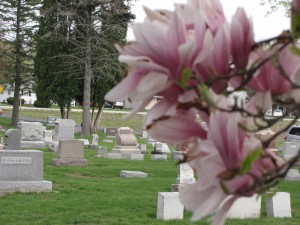
It changes nothing.
Hope gives you a glory-full vision of the end of your story. It gives you a glimpse of the beauty, the joy, the perfection that is promised.
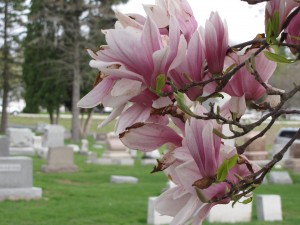
It changes everything.
When you know the end of the story, when you know that Christ wins and that we will be with Him forever, it gives us the power to bear anything. Anything. When you can see the end of fear, the end of despair, the end of pain, when you can see the adventure, the rest, the wholeness that waits for you, you are sustained in the now because you know that this, too, shall pass.
So hope. Hope in what is promised. Hope in what God has promised through the power of the resurrected Christ.
For you who have just received that 3 a.m. phone call, you who walk dazed from your doctor’s office, you who saw your child drift away, you who wish desperately for a child, you who sit weeping in a corner, who think that you will always be alone and unloved, for all of you who live in darkness and doubt…

there is hope. Beautiful, glorious, resurrection hope. So breathe deep of this hope. Let it fill you up with peace and joy so that you are able to endure all things. For He who is our hope is coming.
It is promised. It shall be so.
Art credit: last photograph by R.K. Sewell Photography (photographybysewell.webs.com)
God In the Personal
May 30, 2014 by 2 Comments
Cancer.
Such an ugly word. A word that is filled with fear and pain, hopelessness and loss. A word in which the treatment is as bad as the disease, a word that contains no promise of a cure.
We’ve lived through cancer twice now in my close family. Once in one who had lived a long and good life and who chose not to fight. Once in one who had just begun her life as wife and mother and who fought with every bit of strength she had. Both times, our cancer word contained death and loss.
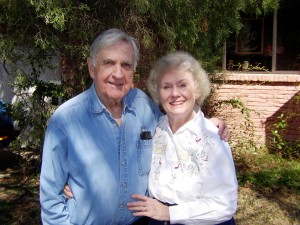
Perhaps this is why when someone I know learns firsthand of the horrors of this word, it stirs up something inside of me. We all have causes and issues that make our hearts feel more weighty, that bring us to tears. Causes alone, though, don’t have the power to stir us up the way an individual can. I give money to causes, but a cause will not change me in the way that a person can. God works through the personal to deepen our hearts in a way that a faceless cause never can.
Perhaps if I see pictures on the news or in the papers of victims of earthquake, flood, drought, I will write a small check for the cause of world hunger, and I may even refrain from meat on Wednesdays; but as long as I am responding to a cause it will not affect my entire life, my very breathing. It is only when I see discrimination and injustice in all its horrendous particularity as I walk along Broadway, that my very life can be changed. If it was necessary for God to come to us as one of us, then it is only in such particularity that I can understand incarnation…But a response to a cause will never change my life, nor open my heart to the promptings of the Spirit. ~ Madeleine L’Engle in The Irrational Season
The differences in the pieces of life we each have lived allows different causes to stir each one of us to action. Cancer, especially when this word contains a parent with children living at home, has become one of those for me. One reason is that this word doesn’t have to end in death, you see. Sometimes there is hope. That hope, however, can be expensive.
May I introduce you to my friend, Mark?

Mark and I worship together and I know him best from making music together in the arts ministry at our church. He is a musician by trade, performing and teaching in order to support his family.
Mark is a husband to Jana and a father of five beautiful children, three of whom still live at home. His wife, Jana, is a self-employed speech pathologist who contracts with several different school systems.

A musician and a self-employed speech pathologist don’t get very good health insurance.
Mark was diagnosed with cancer in 2007; his cancer word will not have within it a cure without also containing a bone marrow transplant. He has not yet found a suitable donor. Mark participated in a clinical trial that held the cancer at bay for several years.
Until this past December. The cancer returned. Mark still does not have a bone marrow donor.
He found another clinical trial, but this one requires that he live in Houston while receiving the treatments from MD Anderson.
A musician and a self-employed speech pathologist also don’t make crazy amounts of money.
He moved from hotel to hotel for awhile, living wherever they could find the cheapest price each week on Priceline. He was finally able to find an apartment, but it is in a crime-ridden area of town. He has been hassled several times when returning from his cancer treatments, and he can’t leave his windows open at night. In Houston. In the summertime. He is trying to find work, but it is difficult to find teaching gigs in a new place when you are in the middle of cancer treatments.
So here they are. Mark, living in a dangerous part of Houston all alone without his family to support him as he gambles for his life. Jana, caring for their kids on her own while traveling hours everyday to and from work. Both of them living 900 miles apart and trying to hold the fraying pieces of their lives together while living with the fear that their time together is slipping through their grasping fingers.
We can’t do much. We can’t take away the cancer. We can’t take away the fear. We can’t take away the loneliness or the desperation of being a single parent or a distant parent.
We can do a little, though. We can take away the one piece of their pain that has to do with their finances. They are not big spenders. They are frugal and they know how to stretch their paychecks. And they will need a bit more while Mark is living in Houston.
I have never done this before on this blog. I may never do it again. But I know these people. I have served with them. And God is working through these individual people to change hearts and lives. Will you join me in helping them? You can give online at GiveForward. (If the link does not work, copy and paste this address: https://www.giveforward.com/fundraiser/4th4/mark-cornell-benefit-fund)
I know that we can’t do it all, that we can’t eliminate all hunger, thirst, suffering, pain. This often frustrates me, but I am struck by the thought that Jesus didn’t do it all either. He didn’t heal all of the blind while here on earth. He didn’t heal all of the lepers or all of the lame, he didn’t feed all of the hungry.
I don’t know why He didn’t make all of the sad things come untrue immediately, but knowing this helps me to be content with not being able to help everyone but to, as Jesus did, help one beautiful person at a time.
Worship
October 11, 2013 by 2 Comments